مسؤوليات المحكمين
يسهم التحكيم العلمي في مساعدة هيئة تحرير مجلة الفتح للبحوث التربوية والنفسية على اتخاذ قرارات تحريرية عادلة ومبنية على أسس علمية، كما تساعد ملاحظات المحكّمين المؤلفين على تحسين جودة بحوثهم ووضوحها وسلامة منهجيتها.
يلتزم المحكّمون عند تقييم البحوث بالمعايير والإجراءات الواردة في سياسة التحكيم واستمارة التقييم المعتمدتين في المجلة، وبالمبادئ الآتية:
أولًا: الكفاءة العلمية
- يقبل المحكّم تقييم البحث عندما يكون موضوعه ضمن مجال تخصصه وخبرته العلمية.
- يعتذر عن التحكيم إذا كان البحث خارج نطاق تخصصه، أو إذا لم يكن قادرًا على إجراء تقييم علمي دقيق.
- يُعلم هيئة التحرير عند الحاجة إلى رأي متخصص إضافي في جانب لا يقع ضمن خبرته.
- لا يجوز للمحكّم إحالة البحث إلى شخص آخر أو الاستعانة به في التقييم من دون موافقة مسبقة من هيئة التحرير.
ثانيًا: الالتزام بالوقت
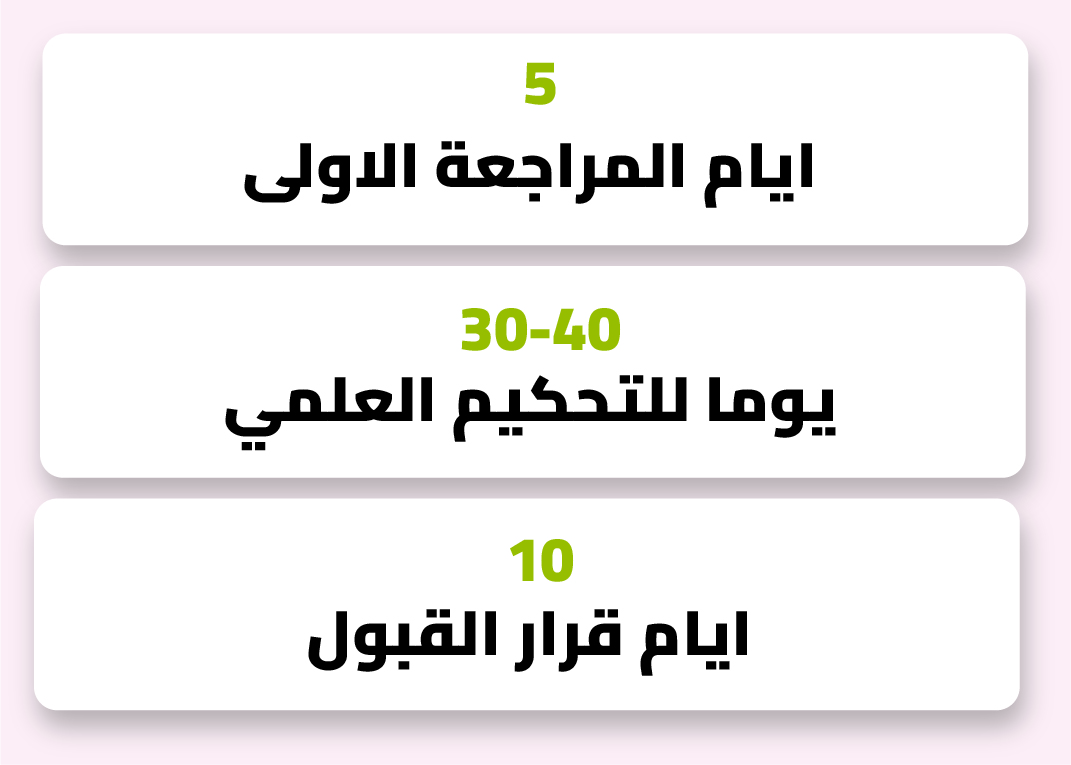
- يلتزم المحكّم بإنجاز تقريره خلال المدة التي تحددها المجلة.
- يجب عليه قبول دعوة التحكيم أو الاعتذار عنها خلال المدة المحددة، منعًا لتأخير الإجراءات التحريرية.
- إذا تعذر إكمال التحكيم في الوقت المقرر، فعليه إبلاغ هيئة التحرير في أقرب وقت وبيان إمكان طلب تمديد أو الاعتذار عن المهمة.
- لا يجوز الاحتفاظ بالبحث من دون إنجاز تقييمه أو التواصل مع هيئة التحرير بشأن التأخير.
ثالثًا: السرية
- تُعامل البحوث المرسلة للتحكيم بوصفها وثائق سرية غير منشورة.
- لا يجوز للمحكّم الكشف عن البحث أو مناقشة محتواه أو مشاركة ملفاته مع أي شخص غير مخول.
- لا يجوز استخدام أفكار البحث أو بياناته أو نتائجه أو أدواته لتحقيق منفعة شخصية أو علمية أو تنافسية قبل نشره.
- يجب حذف ملفات البحث أو إتلافها بطريقة آمنة بعد انتهاء مهمة التحكيم، ما لم تطلب المجلة الاحتفاظ بها لمدة محددة.
- تستمر مسؤولية المحافظة على السرية بعد انتهاء التحكيم أو رفض البحث أو سحب الدعوة.
رابعًا: الموضوعية والمهنية
- يجب أن يستند التقييم إلى القيمة العلمية للبحث وأصالته وسلامة منهجيته ودقة تحليله ووضوح نتائجه.
- لا يجوز أن يتأثر التحكيم بجنسية المؤلفين، أو جنسهم، أو انتمائهم الديني أو العرقي أو المؤسسي، أو خلفيتهم الاجتماعية، أو توجهاتهم الفكرية أو السياسية.
- يجب أن تكون الملاحظات واضحة ومحددة وبنّاءة ومدعومة بأسباب علمية.
- يمتنع المحكّم عن استخدام العبارات الشخصية أو المسيئة أو الساخرة أو غير المهنية.
- يجب التمييز في التقرير بين الأخطاء الجوهرية التي تؤثر في موثوقية البحث والملاحظات التحسينية أو الشكلية.
- لا يجوز رفض البحث أو التوصية بقبوله بناءً على الانطباع العام وحده من دون تقديم مبررات علمية واضحة.
خامسًا: محتوى تقرير التحكيم
يُراعى في تقرير التحكيم تقييم الجوانب الآتية بحسب طبيعة البحث:
- توافق موضوع البحث مع نطاق المجلة.
- أصالة البحث وقيمته العلمية.
- وضوح المشكلة والأهداف أو الأسئلة أو الفرضيات.
- ملاءمة المنهج والإجراءات والعينة والأدوات.
- سلامة التحليل ودقة عرض النتائج.
- مدى ارتباط المناقشة بالنتائج والأدبيات العلمية.
- منطقية الاستنتاجات والتوصيات وعدم تجاوزها لما تدعمه النتائج.
- سلامة اللغة والتنظيم وتسلسل الأفكار.
- دقة الإحالات والمراجع ومدى ارتباطها بموضوع البحث.
- الالتزام بأخلاقيات البحث وتعليمات المجلة.
يختتم المحكّم تقريره بتوصية واضحة وفق الخيارات المعتمدة في استمارة التحكيم، مع تقديم الأسباب التي تستند إليها التوصية.
سادسًا: التحقق من المصادر والنزاهة العلمية
- ينبه المحكّم هيئة التحرير إلى المراجع المهمة التي أغفلها المؤلف عندما تكون ذات صلة مباشرة وضرورية للبحث.
- لا يجوز أن يطلب المحكّم إضافة الاستشهاد بأعماله أو بأعمال باحثين آخرين إلا إذا كانت ذات صلة علمية حقيقية بالموضوع.
- يُبلغ هيئة التحرير عند الاشتباه بوجود انتحال، أو نشر مكرر، أو تقديم متزامن، أو تلاعب بالبيانات أو الصور أو النتائج.
- يوضح، قدر الإمكان، الأعمال المنشورة التي يعتقد بوجود تشابه جوهري بينها وبين البحث محل التحكيم.
- لا يتولى المحكّم إجراء تحقيق نهائي في المخالفة، وإنما يرفع ملاحظاته والأدلة المتاحة إلى هيئة التحرير لاتخاذ الإجراء المناسب.
سابعًا: تضارب المصالح
- يجب على المحكّم الإفصاح عن أي تضارب مصالح فعلي أو محتمل قبل قبول مهمة التحكيم أو فور اكتشافه.
- يشمل تضارب المصالح العلاقات الشخصية أو المهنية أو الأكاديمية أو المالية أو المؤسسية التي قد تؤثر في حياد التقييم.
- يجب الاعتذار عن التحكيم عند وجود تعاون بحثي حديث، أو علاقة إشراف مباشرة، أو نزاع شخصي أو مهني، أو مصلحة مرتبطة بنتائج البحث.
- إذا اكتشف المحكّم تضارب المصالح بعد بدء التقييم، فعليه إيقاف التحكيم وإبلاغ هيئة التحرير لتحديد الإجراء المناسب.
- لا يجوز التواصل المباشر مع المؤلفين بشأن البحث إلا من خلال هيئة التحرير.
ثامنًا: استخدام أدوات الذكاء الاصطناعي
- لا يجوز إدخال البحث غير المنشور، أو بياناته، أو صوره، أو أجزاء منه في أدوات الذكاء الاصطناعي أو المنصات الخارجية إذا كان ذلك قد يؤدي إلى انتهاك السرية أو حقوق المؤلفين.
- لا يجوز الاعتماد على أدوات الذكاء الاصطناعي بدلًا من التقييم العلمي الشخصي للمحكّم.
- يتحمل المحكّم المسؤولية الكاملة عن دقة تقريره ومضمونه وتوصيته.
- يجب الإفصاح لهيئة التحرير عن أي استخدام لأداة آلية في إعداد تقرير التحكيم عندما تسمح سياسة المجلة بذلك.
تاسعًا: سرية الهوية والتقرير
- يلتزم المحكّم بنظام التحكيم المعتمد في المجلة وبالمحافظة على سرية هويته متى كان نظام التحكيم يقتضي ذلك.
- يجب ألا يتضمن التقرير المرسل إلى المؤلفين اسم المحكّم، أو توقيعه، أو مؤسسته، أو أي معلومات تكشف هويته.
- ينبغي التأكد من إزالة البيانات التعريفية المخفية من ملف تقرير التحكيم قبل رفعه إلى نظام المجلة.
- لا يجوز للمحكّم الكشف عن قيامه بتحكيم البحث أو عن القرار المتعلق به من دون موافقة رسمية من المجلة.