ﺳﯿﺎﺳﺔ اﻟﺸﻜﺎوى
تلتزم مجلة الفتح للبحوث التربوية والنفسية بالتعامل مع الشكاوى بطريقة مهنية وعادلة وشفافة وسرية، بما يحفظ حقوق المؤلفين والمحكّمين والقراء وأعضاء هيئة التحرير، ويحمي استقلالية القرار التحريري ونزاهة عملية النشر العلمي.
تنظم هذه السياسة إجراءات تقديم الشكاوى ودراستها والتحقق منها والرد عليها. وتشمل الشكاوى المتعلقة بإجراءات التقديم والتحكيم والتحرير، وأخلاقيات النشر، وسرية المعلومات، والمحتوى المنشور، ومدى الالتزام بسياسات المجلة.
أولًا: نطاق الشكاوى
تنظر المجلة في الشكاوى المتعلقة بما يأتي:
- التأخر غير المبرر في إجراءات الفحص أو التحكيم أو إصدار القرار التحريري.
- وجود خلل إجرائي واضح في معالجة البحث أو إدارة عملية التحكيم.
- الإخلال بسرية البحث أو تقارير التحكيم أو البيانات الشخصية للمؤلفين أو المحكّمين.
- الاشتباه بوجود انتحال علمي، أو نشر مكرر، أو تقديم متزامن، أو اختلاق أو تزوير أو تلاعب بالبيانات.
- وجود خطأ جوهري أو معلومات غير موثوقة في بحث منشور.
- وجود تضارب مصالح غير معلن لدى أحد المؤلفين أو المحكّمين أو المحررين.
- وجود سلوك غير مهني أو غير لائق في المراسلات أو تقارير التحكيم أو الإجراءات التحريرية.
- إساءة استخدام بيانات المؤلفين أو المحكّمين أو المحتوى غير المنشور.
- مخالفة قواعد المجلة أو سياساتها التحريرية أو الأخلاقية المعلنة.
لا يُعد عدم رضا المؤلف عن قرار الرفض أو عن ملاحظات المحكّمين شكوى في حد ذاته، ما لم يستند إلى خلل إجرائي محدد أو مخالفة أخلاقية أو دليل واضح على عدم تطبيق سياسة المجلة. أما الاعتراض العلمي على القرار التحريري فيخضع لسياسة الاستئناف المنشورة في موقع المجلة.
ثانيًا: تقديم الشكوى
تُقدَّم الشكوى من خلال نظام المجلة الإلكتروني أو البريد الإلكتروني الرسمي المنشور في صفحة اتصل بنا.
يجب أن تتضمن الشكوى، قدر الإمكان، المعلومات الآتية:
- اسم مقدم الشكوى وصفته وبيانات التواصل الرسمية معه.
- عنوان البحث ورقمه في نظام المجلة، أو عنوان المقال المنشور ورابطه أو معرّفه الرقمي.
- وصفًا واضحًا ومحددًا للوقائع محل الشكوى.
- تاريخ وقوع المشكلة أو اكتشافها.
- الأدلة أو الوثائق أو المراسلات الداعمة، عند توافرها.
- بيان الإجراء أو المعالجة التي يطلبها مقدم الشكوى.
لا تُعد الرسائل المرسلة عبر تطبيقات المراسلة أو وسائل التواصل الاجتماعي شكاوى رسمية، ويجب إعادة تقديمها من خلال القنوات الرسمية لغرض التسجيل والمتابعة.
ثالثًا: الشكاوى المجهولة
يجوز للمجلة النظر في شكوى مجهولة المصدر عندما تتضمن معلومات محددة وأدلة واضحة وقابلة للتحقق تتعلق بمخالفة أخلاقية أو علمية جسيمة.
قد يتعذر استكمال التحقيق في الشكاوى المجهولة التي لا تتضمن معلومات كافية أو وسيلة لطلب توضيحات إضافية. ولا تُرفض الشكوى لمجرد عدم كشف هوية مقدمها متى كانت الأدلة المقدمة جدية وقابلة للفحص.
رابعًا: تسجيل الشكوى والفحص الأولي
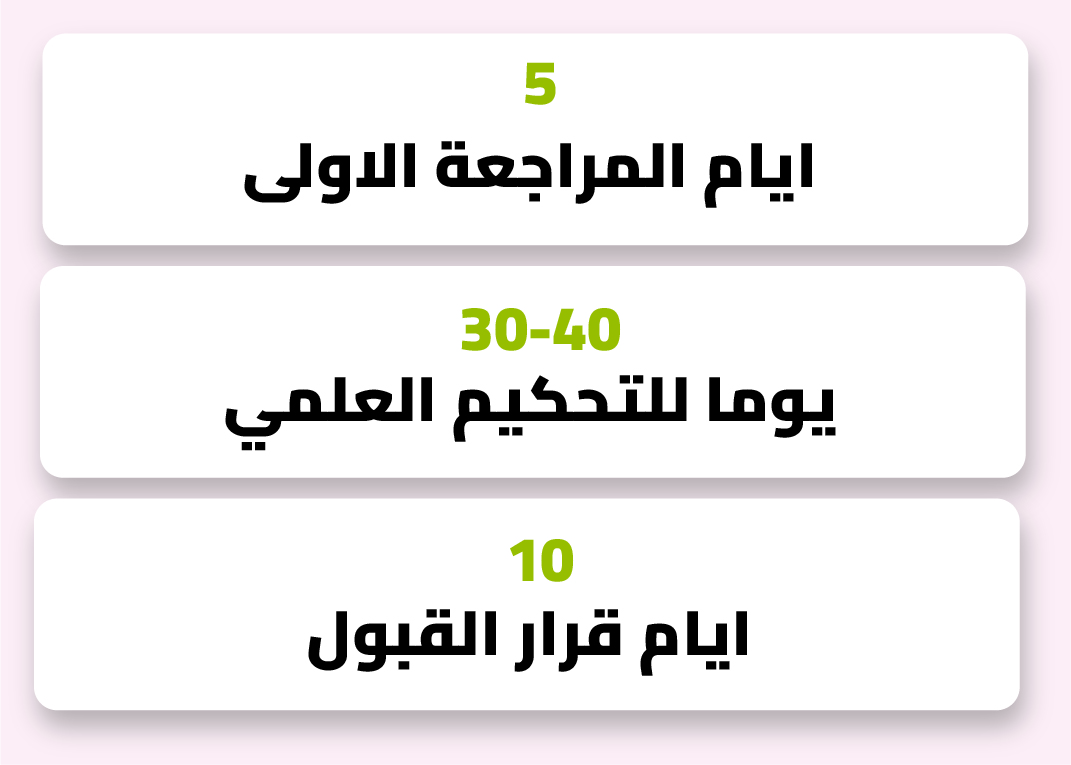
تقر المجلة باستلام الشكوى خلال مدة لا تتجاوز خمسة أيام عمل من تاريخ وصولها، ويجوز تزويد مقدمها برقم أو مرجع للمتابعة.
تخضع الشكوى لفحص أولي للتحقق من:
- وقوعها ضمن اختصاص المجلة.
- وضوح موضوعها والوقائع المرتبطة بها.
- توافر المعلومات والأدلة اللازمة لدراستها.
- عدم سبق الفصل فيها من دون تقديم أدلة أو معلومات جديدة.
- عدم احتوائها على إساءة شخصية أو تهديدات أو اتهامات عامة غير قابلة للتحقق.
يجوز للمجلة طلب معلومات أو وثائق إضافية قبل بدء التحقيق. وإذا كانت الشكوى خارج اختصاصها، تُبلغ مقدمها بذلك، ويجوز توجيهه إلى الجهة المختصة متى كان ذلك ممكنًا.
خامسًا: الاستقلالية وتجنب تضارب المصالح
يتولى دراسة الشكوى شخص أو لجنة لا تربطها علاقة مباشرة بموضوعها، ويجب على أي محرر أو عضو في هيئة التحرير لديه تضارب مصالح أن يتنحى عن التعامل معها.
إذا تعلقت الشكوى بأحد أعضاء هيئة التحرير، تُحال إلى رئيس التحرير أو إلى عضو مستقل غير مشارك في الموضوع.
إذا تعلقت الشكوى برئيس التحرير، تُحال إلى الجهة الناشرة أو إلى لجنة مستقلة تخولها جامعة ديالى أو كلية التربية الأساسية، من دون مشاركة رئيس التحرير في التحقيق أو القرار.
لا يحق لمقدم الشكوى المطالبة بكشف هوية المحكّمين أو الاطلاع على المعلومات السرية المحمية بسياسة التحكيم.
سادسًا: دراسة الشكوى والتحقيق فيها
يجوز للمجلة، وفق طبيعة الشكوى، اتخاذ واحد أو أكثر من الإجراءات الآتية:
- مراجعة سجلات التقديم والتحكيم والقرارات والمراسلات المتعلقة بالبحث.
- طلب توضيحات أو ردود من المؤلفين أو المحكّمين أو المحررين أو الأطراف ذات العلاقة.
- الاستعانة بعضو مستقل أو خبير متخصص لدراسة الجوانب العلمية أو الأخلاقية للشكوى.
- مقارنة الادعاءات بسياسات المجلة والوثائق والأدلة المتاحة.
- التواصل مع المؤسسة التي ينتمي إليها المؤلف أو أي جهة مختصة عندما تتطلب الشكوى تحقيقًا مؤسسيًا.
- تعليق معالجة البحث أو نشره مؤقتًا عندما توجد مخاوف جدية تستدعي التحقق قبل مواصلة الإجراءات.
- المحافظة على سرية التحقيق وتجنب إعلان الاتهامات قبل استكمال التحقق منها.
تمنح المجلة الأطراف المعنية فرصة مناسبة للرد على الادعاءات الموجهة إليها قبل اتخاذ القرار، ما لم يمنع ذلك سبب قانوني أو أخلاقي معتبر.
سابعًا: نتائج دراسة الشكوى
بعد استكمال الدراسة، يجوز للمجلة اتخاذ أحد الإجراءات الآتية:
- رفض الشكوى لعدم ثبوتها أو لعدم كفاية الأدلة.
- تقديم توضيح بشأن الإجراء التحريري أو السياسة المطبقة.
- تصحيح خلل إجرائي أو إعادة تنفيذ مرحلة معينة من مراحل المعالجة أو التحكيم.
- تعيين محرر أو محكّم آخر عند ثبوت تضارب مصالح أو خلل في الحياد.
- طلب مراجعة علمية إضافية من خبير مستقل.
- تصحيح بيانات أو معلومات في البحث أو في الموقع الإلكتروني للمجلة.
- نشر تصحيح، أو تعبير عن القلق، أو إشعار سحب، وفق سياسة المجلة الخاصة بالمحتوى المنشور.
- رفض البحث أو إيقاف إجراءات نشره عند ثبوت مخالفة قبل النشر.
- إحالة الموضوع إلى المؤسسة الأكاديمية أو الجهة المختصة عند وجود مخالفة جسيمة أو متكررة.
- اتخاذ الإجراءات الإدارية المناسبة عند ثبوت مخالفة من أحد المشاركين في العملية التحريرية.
ثامنًا: مدة معالجة الشكوى والرد عليها
تسعى المجلة إلى استكمال الفحص الأولي للشكوى خلال خمسة عشر يوم عمل، وإصدار رد نهائي خلال ثلاثين يوم عمل من تاريخ اكتمال المعلومات اللازمة لدراستها.
عندما تكون الشكوى معقدة أو تتطلب رأيًا متخصصًا أو تواصلًا مع مؤسسة خارجية، يجوز تمديد مدة المعالجة. وفي هذه الحالة، يُبلَّغ مقدم الشكوى بسبب التأخير والمرحلة التي وصلت إليها الإجراءات، مع تقديم تحديثات دورية كلما كان ذلك ممكنًا.
يكون الرد رسميًا، ويتضمن نتيجة دراسة الشكوى والإجراء المتخذ في حدود ما تسمح به متطلبات السرية وحماية البيانات.
تاسعًا: طلب إعادة النظر
يجوز لمقدم الشكوى طلب إعادة النظر في النتيجة مرة واحدة خلال خمسة عشر يوم عمل من تاريخ إبلاغه بها، بشرط أن يستند الطلب إلى:
- وجود خلل جوهري في إجراءات دراسة الشكوى.
- ظهور أدلة جديدة لم تكن متاحة أثناء التحقيق الأول.
- وجود تعارض واضح بين النتيجة وسياسات المجلة المعلنة.
يُحال طلب إعادة النظر إلى شخص أو لجنة لم تشارك في اتخاذ القرار الأول كلما كان ذلك ممكنًا. ولا تؤدي إعادة تقديم الحجج نفسها من دون أدلة أو مبررات جديدة إلى فتح التحقيق مرة أخرى.
عاشرًا: سرية الشكاوى وحماية البيانات
تتعامل المجلة بسرية مع الشكاوى والمراسلات والوثائق المرتبطة بها. ويقتصر الاطلاع عليها على الأشخاص المخولين بدراستها أو اتخاذ إجراء بشأنها.
تُستخدم المعلومات المقدمة حصريًا للتحقق من الشكوى وحماية سلامة العملية التحريرية والسجل العلمي. ويجوز الإفصاح عن الحد الأدنى الضروري من المعلومات إلى مؤسسة أو جهة مختصة عندما تقتضي طبيعة التحقيق ذلك.
تحتفظ المجلة بسجلات الشكاوى والقرارات المرتبطة بها للمدة اللازمة لأغراض المتابعة والتوثيق وتحسين الإجراءات.
الحادي عشر: حماية مقدمي الشكاوى
لا يجوز أن يؤدي تقديم شكوى بحسن نية إلى الإضرار بمقدمها أو التأثير غير المشروع في معاملاته أو بحوثه الحالية أو المستقبلية مع المجلة.
كما تلتزم المجلة بعدم اتخاذ أي إجراء ضد الشخص الذي يقدم معلومات صحيحة أو مخاوف مشروعة، حتى إذا لم تؤدِ الدراسة إلى إثبات المخالفة بصورة نهائية.
الثاني عشر: الشكاوى الكيدية أو المسيئة
يجوز للمجلة إغلاق الشكوى عندما يتبين أنها:
- كيدية أو مقدمة بقصد الإساءة أو المضايقة.
- تتضمن تهديدات أو عبارات شخصية مسيئة.
- تقوم على اتهامات عامة من دون معلومات قابلة للتحقق.
- تكرر شكوى سبق الفصل فيها من دون تقديم أدلة جديدة.
- تستخدم للضغط على المجلة أو التأثير غير المشروع في قرار تحريري.
ولا يمنع إغلاق الشكوى المسيئة من فحص أي دليل جدي يتعلق بمخالفة أخلاقية أو علمية محتملة.
الثالث عشر: تطوير إجراءات المجلة
تراجع هيئة التحرير الشكاوى المتكررة ونتائجها للاستفادة منها في تطوير إجراءات التقديم والتحكيم والتحرير، وتحسين جودة الخدمات، وتقليل التأخير، وتعزيز النزاهة والشفافية والثقة بسياسات المجلة